


Many AI and analytics initiatives fail for a simple reason:
data is treated as a technical concern rather than a business responsibility.
This article explains why data ownership must sit with the business, not IT—and why this shift determines AI success or failure.
1. IT Manages Systems, Not Meaning
IT teams manage:
- Infrastructure
- Databases
- Security
- Access
They do not define:
- What data represents
- When it is valid
- How it should be interpreted
- What decisions depend on it
Those responsibilities belong to the business.
2. Ownerless Data Produces Ownerless Decisions
When data has no clear owner:
- Quality deteriorates
- Definitions drift
- Conflicts arise
- Accountability disappears
AI systems trained on such data produce decisions no one trusts—and no one defends.
3. Business Ownership Enables AI
When business teams own data:
- Assumptions are explicit
- Quality improves naturally
- Errors are caught earlier
- Models align with reality
AI becomes an extension of operations, not a technical experiment.
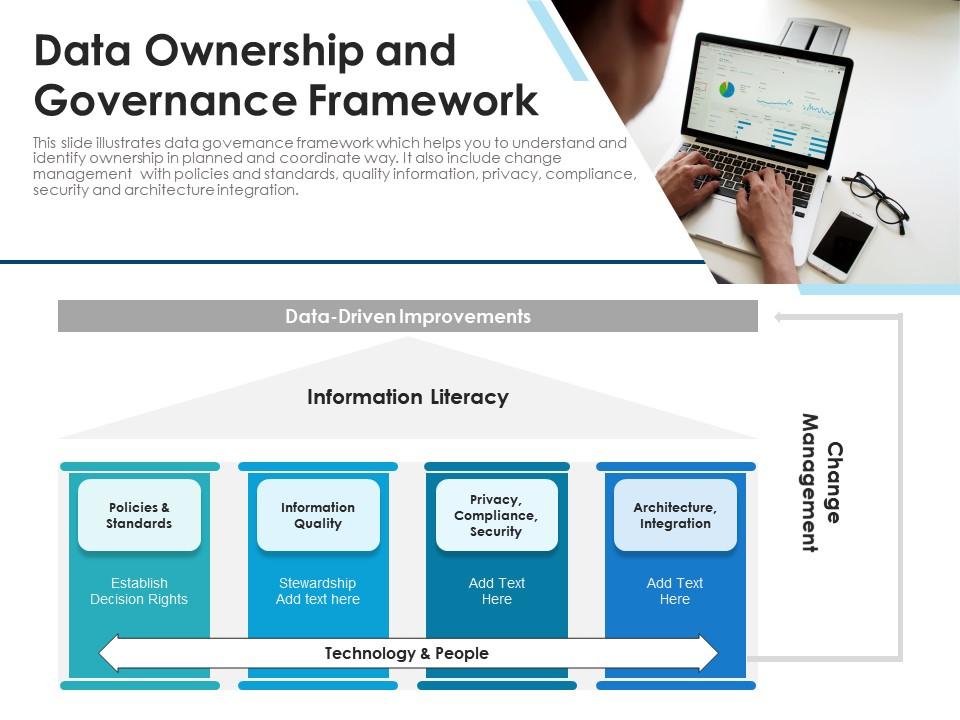
4. What Data Ownership Actually Means
Ownership does not mean technical control.
It means:
- Defining meaning
- Approving usage
- Setting quality thresholds
- Accepting accountability
IT enables.
The business decides.
Final Thought
AI does not fail because of algorithms.
It fails because no one owns the truth the algorithms learn from.
Until data is treated as a business asset, AI remains fragile.