
Not every project should be built.
Not every idea deserves software.
Not every request aligns with responsible engineering.
One of the most important signals of technical maturity is not what a company builds—but what it refuses to build.
This article explains the categories of projects we decline, and why these refusals protect clients, users, and long-term system value.
1. We Refuse to Build AI Without a Real Decision to Improve
If AI is requested without a clearly defined decision point—who decides, how often, and with what consequence—we do not proceed.
Why:
AI without a decision context becomes:
- An expensive feature
- A demo that cannot be operationalized
- A source of unexplained outcomes
We recommend automation—or no build at all—when rules suffice.
2. We Refuse to Build on Broken or Ownerless Data
We decline AI projects where:
- Data ownership is unclear
- Data quality is unknown or ignored
- There is no plan for validation or lineage
Why:
Models trained on unreliable data produce unreliable decisions. This is not a tuning problem; it is a systems failure.
If data foundations are not addressed first, AI should not be introduced.
3. We Refuse to Build Systems That Cannot Be Owned Internally
We do not build systems that:
- Only we can maintain
- Depend on undocumented logic
- Lock clients into perpetual vendor dependency
Why:
Software is an organizational asset. If it cannot be understood, operated, and evolved internally, it becomes a liability.
We design for transfer of ownership—even when it reduces short-term dependency on us.
4. We Refuse to Build “Cheap” Systems With Long-Term Consequences
When budget constraints require:
- Ignoring security
- Skipping observability
- Hard-coding business logic
- Avoiding documentation
We decline.
Why:
These shortcuts create rebuild cycles, not savings. The eventual cost—financial, operational, reputational—far exceeds the initial discount.
Cost-effective systems minimize lifetime cost, not launch price.
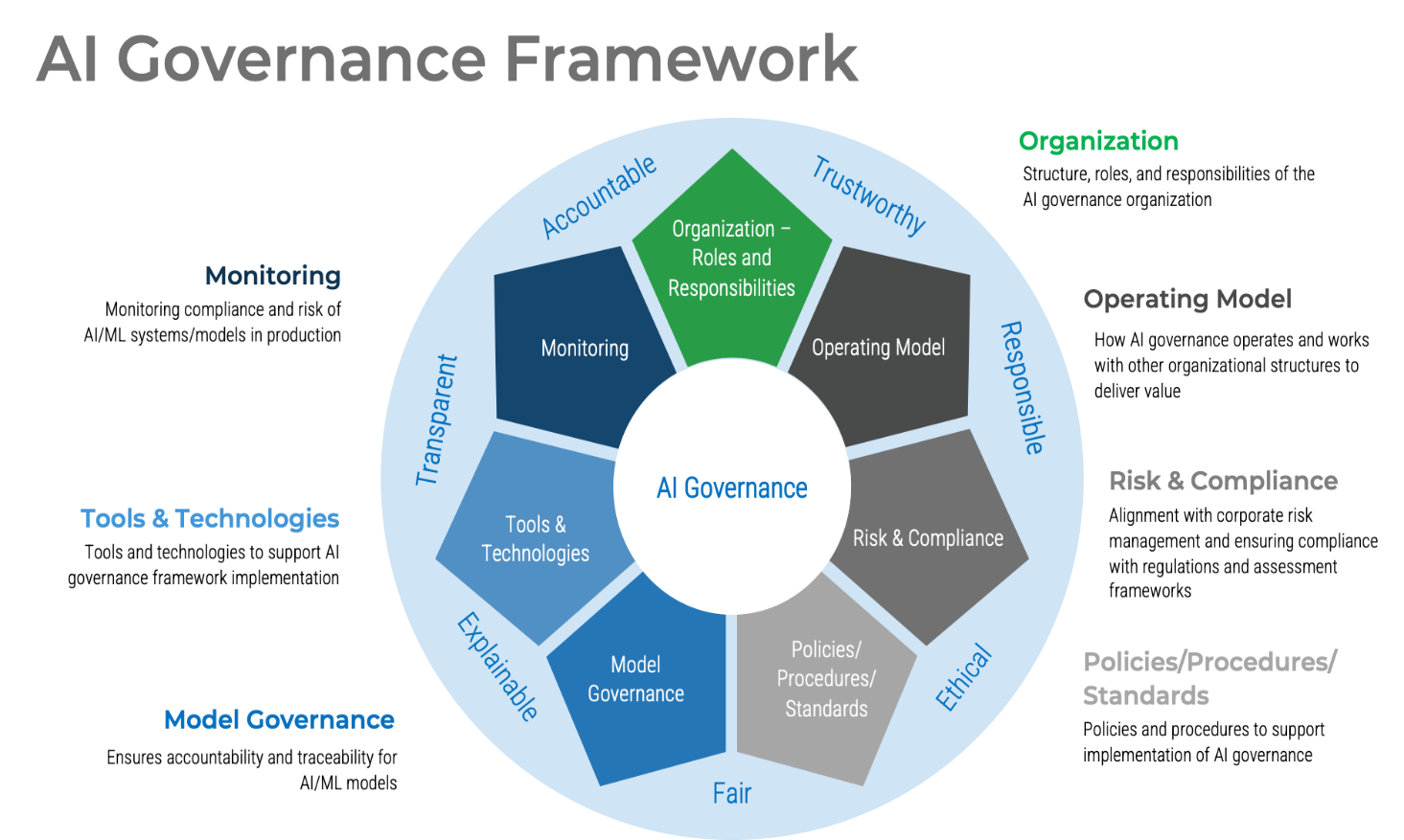
5. We Refuse to Build Systems That Violate Regulatory or Ethical Boundaries
We do not build:
- AI systems without explainability in regulated domains
- Decision systems with no accountability
- Platforms designed to obscure responsibility
Why:
Regulatory exposure is not hypothetical. Systems that cannot be audited, explained, or governed eventually face rejection—by regulators, partners, or users.
Engineering ethics are not optional. They are structural.
6. We Refuse to Build Without Clear Failure Boundaries
If a system is expected to:
- Never fail
- Fail silently
- Collapse entirely when one component breaks
We stop and redesign—or decline.
Why:
Enterprise systems must fail predictably and recover gracefully. Undefined failure modes turn small issues into outages.
Reliability is designed, not hoped for.
7. We Refuse to Build Hype-Driven Products
We decline projects driven primarily by:
- Trends
- Competitive envy
- Buzzwords
- Investor signaling without operational clarity
Why:
Hype fades. Systems remain.
We build for durability, not announcements.
What We Say “Yes” To Instead
We say yes to projects that:
- Solve real operational problems
- Respect data and governance realities
- Are designed for ownership and longevity
- Can be explained, monitored, and evolved
- Align with responsible engineering principles
These projects take longer to define—but they succeed far more often.
Why These Refusals Matter to Clients
Our refusals:
- Prevent wasted spend
- Reduce rebuild risk
- Protect brand and users
- Improve long-term ROI
- Establish trust early
A partner who never says no is not a partner.
They are a vendor.
Final Thought
The strongest systems are built as much by constraint as by capability.
By refusing the wrong work, we make space to do the right work—carefully, responsibly, and with lasting impact.
That discipline is what allows software to compound value instead of accumulating debt.