

“Enterprise-grade” is one of the most overused and least understood terms in software development across Africa.
In Kenya, almost every serious software proposal claims enterprise readiness. Yet, when systems are placed under real operational pressure—growth, regulation, outages, or scale—many collapse.
This article explains what enterprise-grade software actually means in the African context, and why it is fundamentally different from building a functional application.
1. Enterprise-Grade Is About Longevity, Not Features
Enterprise systems are not defined by:
- Feature count
- UI polish
- Technology stack
- Initial performance
They are defined by how they behave over time.
Enterprise-grade software is built to:
- Scale without re-architecture
- Survive partial failures
- Adapt to regulatory change
- Be maintained by teams that did not build it
If a system only works while its original developers are involved, it is not enterprise-grade.
2. Architecture Comes Before Code
Most non-enterprise systems fail at the architectural level.
Common symptoms:
- Tightly coupled services
- Business logic embedded in the frontend
- No clear domain boundaries
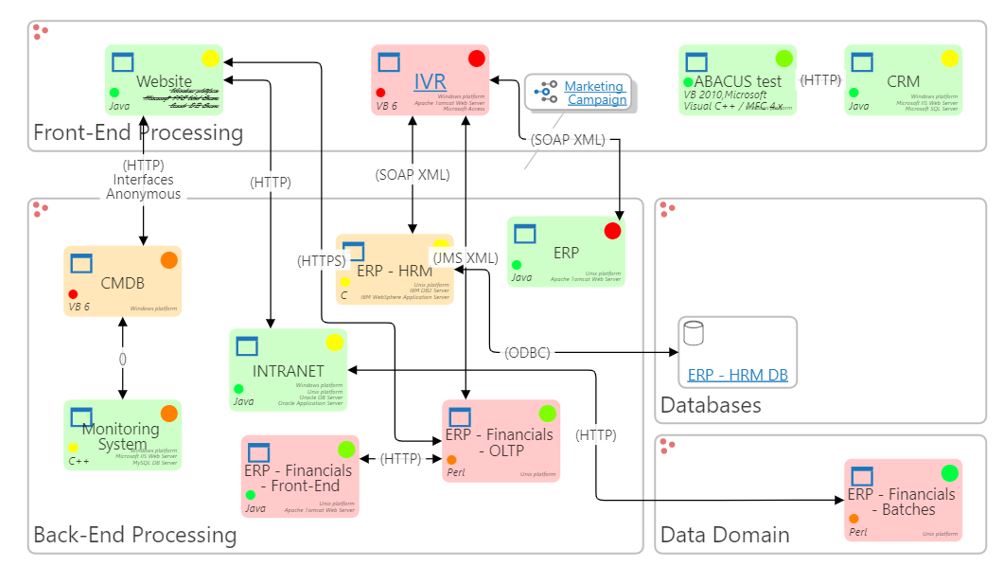
- Ad-hoc integrations
Enterprise systems are intentionally structured:
- Clear separation of concerns
- Explicit service responsibilities
- Defined data ownership
- Predictable failure modes
Good architecture is invisible when things work—and invaluable when they do not.
3. Scalability Is a Design Choice, Not an Upgrade
A common misconception is that scalability can be “added later.”
In reality:
- Database decisions
- API design
- State management
- Background processing
…all determine scalability from the start.
In African markets, scalability must also account for:
- Cost efficiency
- Variable connectivity
- Payment retries and reconciliation
- Uneven user behavior patterns
Enterprise-grade systems scale gracefully, not aggressively.
4. Security and Compliance Are Structural, Not Add-Ons
Security is often treated as:
- Authentication libraries
- SSL certificates
- Role-based access controls
Enterprise security is broader:
- Data segregation
- Auditability
- Access traceability
- Secure integrations
- Regulatory alignment
In regulated sectors—finance, SACCOs, logistics, public services—security failures are not technical issues. They are business-ending events.
Enterprise systems assume breach and are designed accordingly.
5. Observability Is Non-Negotiable
If you cannot see a system fail, you cannot operate it at scale.
Enterprise-grade systems include:
- Structured logging
- Real-time monitoring
- Alerting thresholds
- Error traceability
- Performance metrics
Without observability:
- Downtime lasts longer
- Root causes remain unknown
- Teams operate reactively
Visibility is not optional. It is operational control.
6. Ownership Matters More Than Delivery
Many systems fail after “successful delivery.”
Why?
- No internal ownership
- No documentation
- No operational playbooks
- Vendor dependency
Enterprise software assumes:
- Teams will change
- Knowledge will decay
- Systems will outlive vendors
True enterprise readiness means the organization—not the developer—owns the system.
7. What Enterprise-Grade Looks Like in Practice
In practice, enterprise-grade software:
- Is boringly reliable
- Evolves without disruption
- Survives people changes
- Handles growth without panic
- Makes failures predictable
It is not flashy.
It is not cheap.
It is not quick.
It is durable.
Final Thought
In Africa, enterprise-grade software is not about copying Silicon Valley patterns. It is about engineering systems that respect local realities while meeting global standards.
Organizations that invest in enterprise thinking early avoid costly rebuilds later.
Those that do not eventually pay—just at a much higher price.