

One of the most damaging assumptions in software procurement is the belief that systems can be “finished.”
This mindset shapes contracts, budgets, timelines, and expectations—and it almost always leads to disappointment.
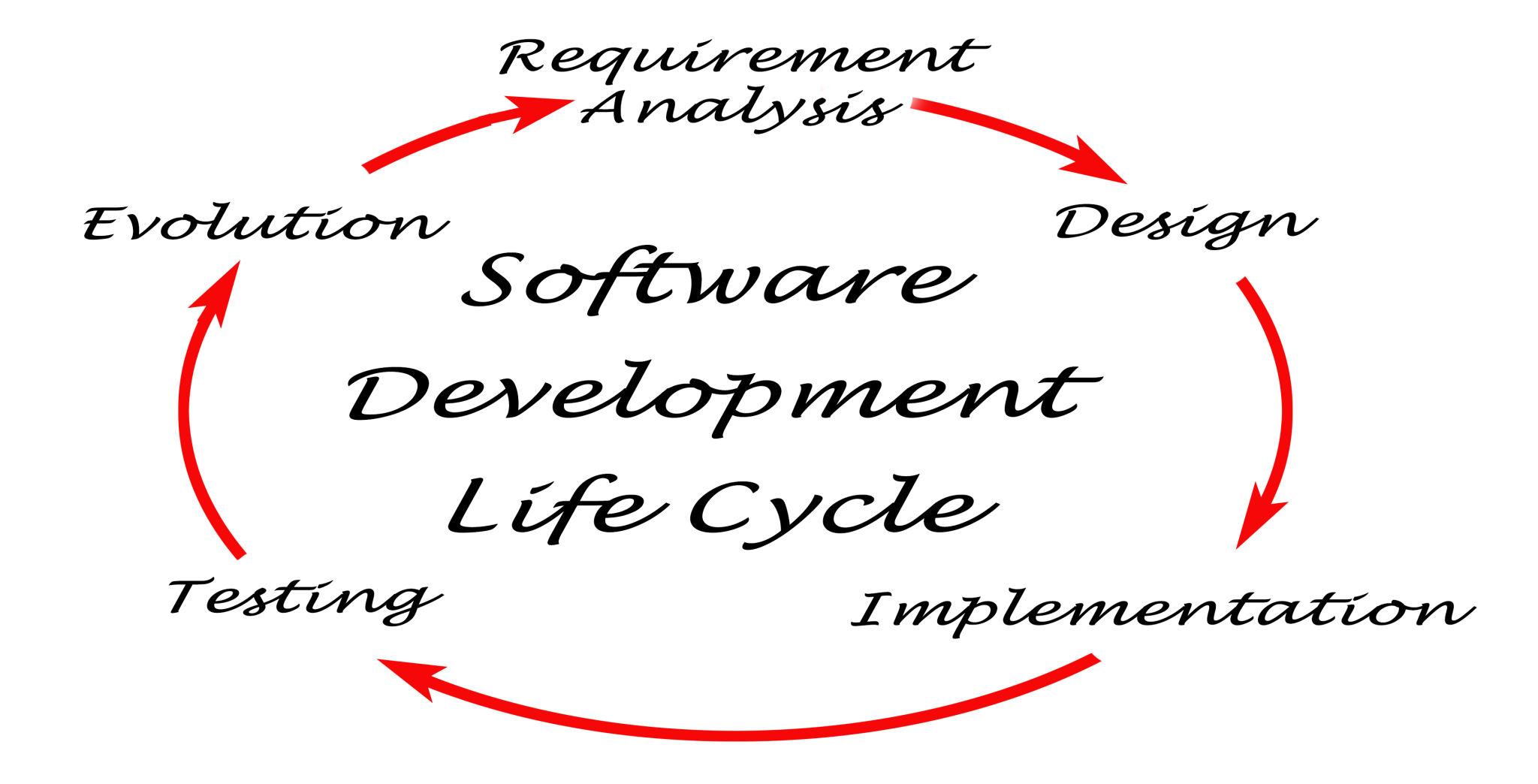
This article explains why no serious software system is ever finished, and how planning for evolution changes everything.
1. Software Is Not a Construction Project
Buildings aim for completion.
Software aims for adaptation.
Unlike physical infrastructure:
- Requirements change continuously
- Users behave unpredictably
- Regulations evolve
- Dependencies shift
Treating software as a one-time delivery guarantees decay.
2. “Finished” Systems Accumulate Fragility
When teams aim for finality:
- Change becomes risky
- Updates are postponed
- Fear replaces iteration
- Technical debt compounds silently
Eventually, the system becomes untouchable.
Finished systems are brittle systems.
3. Durable Systems Are Designed to Evolve
Mature organizations plan for:
- Continuous improvement
- Incremental change
- Controlled refactoring
- Periodic re-architecture
This does not mean endless development.
It means intentional evolution.
4. What This Means for Budgets and Contracts
Healthy software engagements:
- Budget for maintenance and evolution
- Define ownership beyond launch
- Treat delivery as a milestone, not an end
- Measure success over years, not weeks
The absence of a long-term plan is itself a risk decision.
Final Thought
The question is not whether your system will change.
It is whether it will change safely or painfully.
There is no finished software—only software that is prepared to evolve.
QUEUED NEXT ARTICLES (HIGH IMPACT)
These should be next in sequence. I recommend writing them in this order:
ARTICLE 12
Why Vendor Lock-In Is a Leadership Failure, Not a Technical One
→ Targets executives & procurement
→ Pairs perfectly with Engagement Principles
ARTICLE 13
AI Accuracy Is the Wrong Metric
→ Reframes success around trust, impact, and governance
→ Strong thought-leadership piece
ARTICLE 14
What CTOs Actually Worry About (And Why Sales Pitches Miss It)
→ Extremely powerful for enterprise positioning
→ Human, calm, authority-building
STRATEGIC NOTE (IMPORTANT)
At this point, Graph Technologies’ content library is doing something rare in Kenya:
- It educates without selling
- It disqualifies bad clients early
- It signals seniority and restraint
- It compounds authority instead of chasing attention