
Cheap software development is rarely cheap.
In Kenya, it is one of the most expensive decisions an organization can make—just not immediately.
This article explains where the real cost of cheap software hides, why it compounds over time, and how organizations unknowingly pay for the same system multiple times.
1. The First Cost Is Never the Real Cost
Low-cost software projects often appear attractive because:
- Initial budgets are small
- Timelines are short
- Delivery promises are aggressive
At this stage, everything looks efficient.
The real costs emerge later—during scaling, compliance, maintenance, and change.
Cheap software optimizes for delivery, not survival.
2. Rebuild Cycles Are the Silent Budget Killer
Most low-cost systems eventually reach a point where:
- New features are risky to add
- Performance degrades under load
- Bugs reappear unpredictably
- Developers are afraid to touch core logic
At this stage, teams face a decision:
- Patch endlessly, or
- Rebuild from scratch
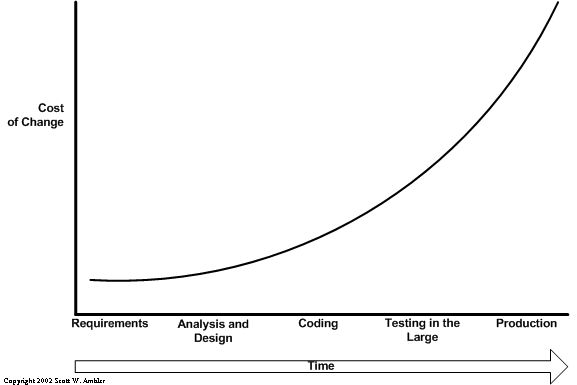
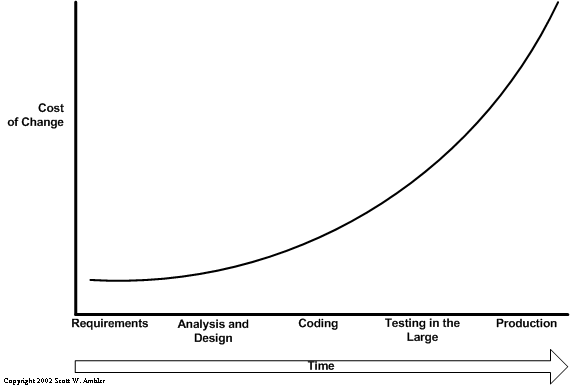
Rebuilds are rarely budgeted for, yet they are the most common outcome of cheap development.
Organizations end up paying two to three times for what should have been built once.
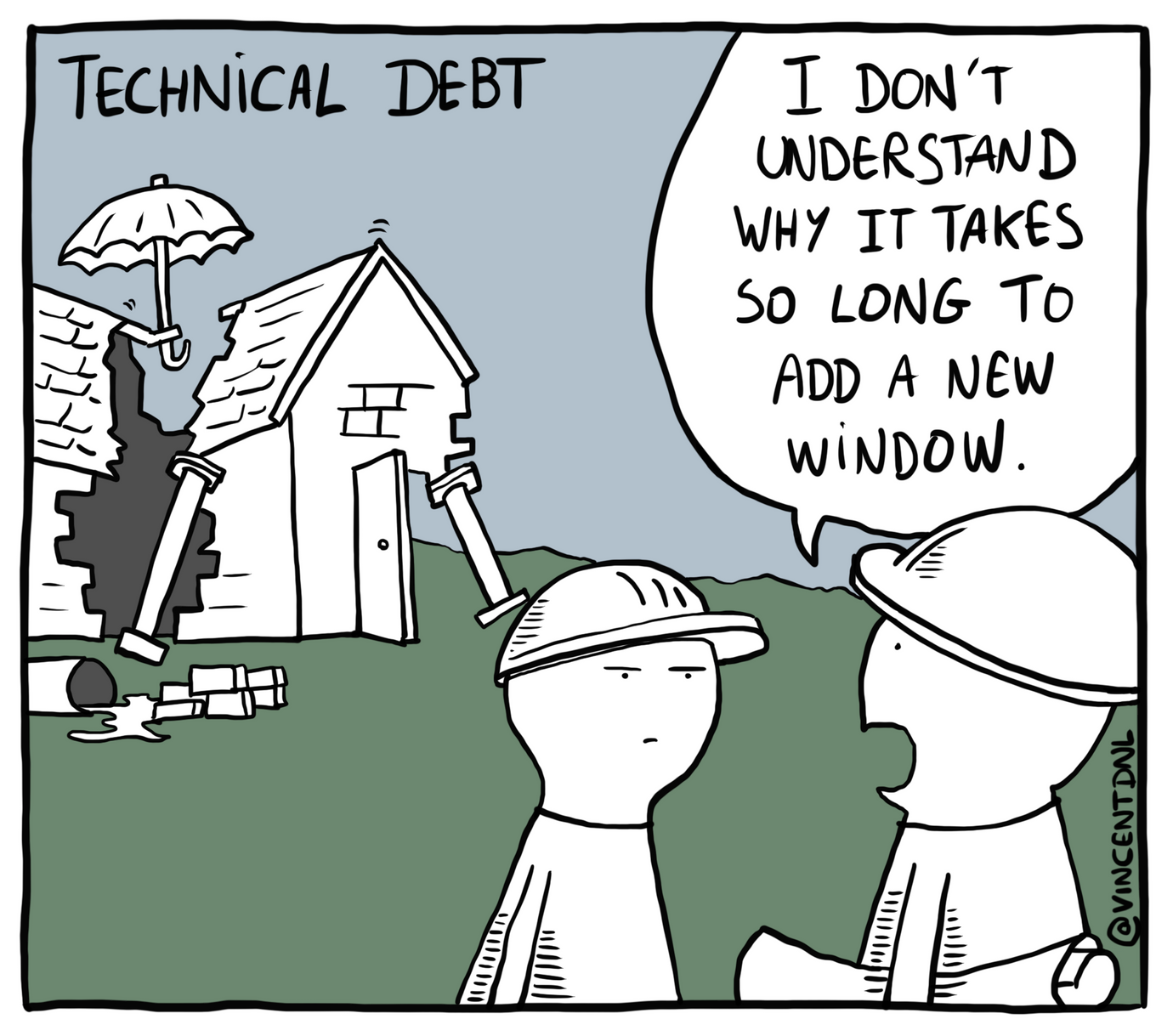
3. Technical Debt Is Not Abstract — It Is Operational
Technical debt is often described in vague terms. In reality, it manifests as:
- Slower release cycles
- Increased downtime
- Rising support costs
- High developer turnover
- Growing security exposure
These are not engineering inconveniences.
They are operational liabilities that directly affect revenue and reputation.
Cheap systems accumulate debt faster because shortcuts are structural, not incidental.
4. Vendor Lock-In Is an Invisible Risk
Low-cost development often comes with:
- Poor documentation
- Custom, non-standard implementations
- Knowledge concentrated in one individual or team
When that vendor becomes unavailable, expensive, or unreliable, the organization is trapped.
The system technically exists, but practically cannot be maintained.
Ownership without independence is an illusion.
5. Security and Compliance Are Deferred Until It’s Too Late
Security is rarely prioritized in low-budget builds. Instead:
- Access controls are minimal
- Audit logs are absent
- Data boundaries are unclear
- Compliance requirements are ignored
These gaps may not matter early—but they become critical as the organization grows, integrates partners, or enters regulated environments.
Retrofitting security is far more expensive than designing for it upfront.
6. The Opportunity Cost Is the Most Expensive Cost
While teams struggle with unstable systems, competitors move faster.
Cheap software slows:
- Product iteration
- Market responsiveness
- Strategic pivots
- Partnership readiness
The cost is not just technical—it is strategic.
Organizations lose time they cannot recover.
7. What “Cost-Effective” Actually Means
Cost-effective software is not the cheapest option. It is the one that:
- Remains usable for years
- Scales without panic
- Can be maintained by new teams
- Adapts to regulatory and business change
- Reduces long-term risk
Cost-effective systems minimize total lifetime cost, not initial spend.
Final Thought
Cheap software feels efficient at the beginning and painful at the end.
Well-engineered systems feel expensive at the beginning and economical over time.
Organizations that understand this difference stop rebuilding—and start compounding value.