AI vs Automation: What Kenyan Businesses Get Wrong

Artificial Intelligence and automation are often used interchangeably in business conversations across Kenya. This confusion leads to wasted budgets, overengineered systems, and missed opportunities.
AI and automation solve different problems. Knowing the difference is not academic—it is commercial.
This article clarifies what Kenyan businesses get wrong about AI vs automation, and how to make the correct decision.
1. Automation Is About Consistency, Not Intelligence
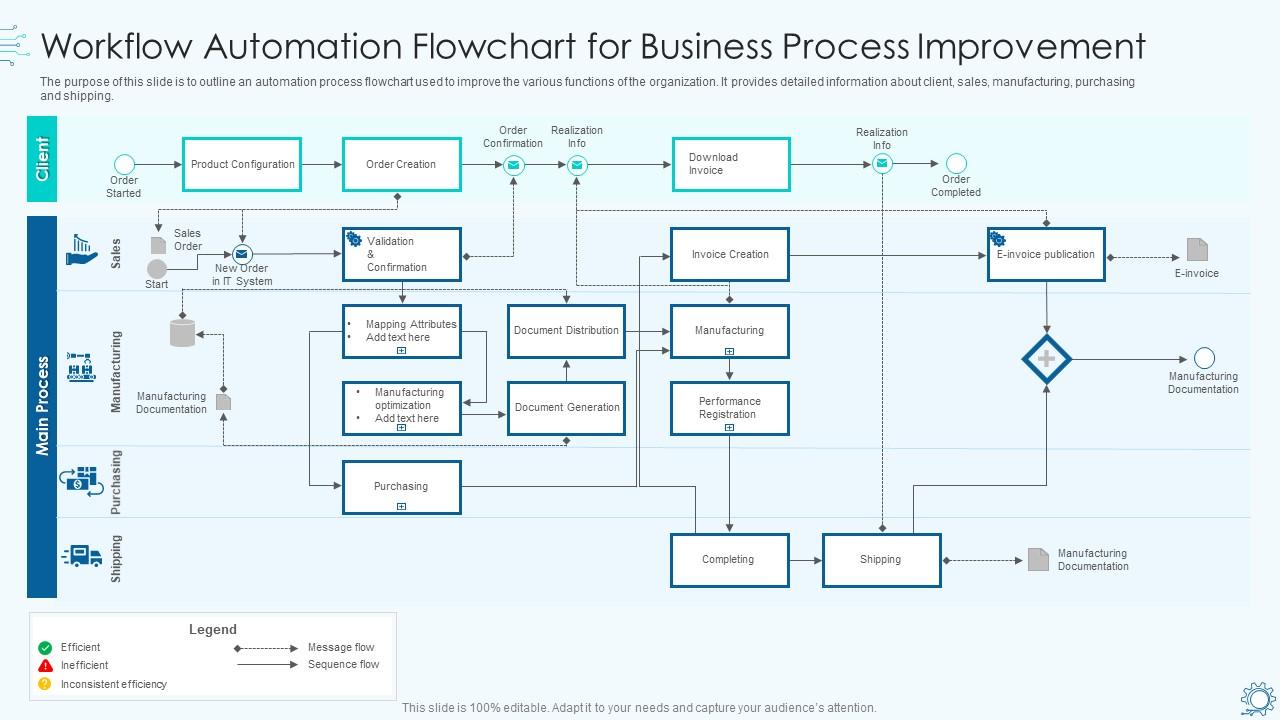
Automation focuses on:
- Repeating known processes
- Reducing human effort
- Enforcing rules
- Improving speed and reliability
Examples include:
- Workflow approvals
- Payment processing
- Notifications and alerts
- Report generation
Automation works best when:
- Rules are stable
- Outcomes are predictable
- Exceptions are limited
In many cases, automation delivers far higher ROI than AI.
2. AI Is About Decision-Making Under Uncertainty
AI becomes relevant when:
- Rules are unclear or changing
- Decisions depend on patterns, not logic
- Outcomes are probabilistic
- Human judgment is inconsistent or slow
Examples include:
- Credit risk assessment
- Demand forecasting
- Fraud detection
- Personalized recommendations
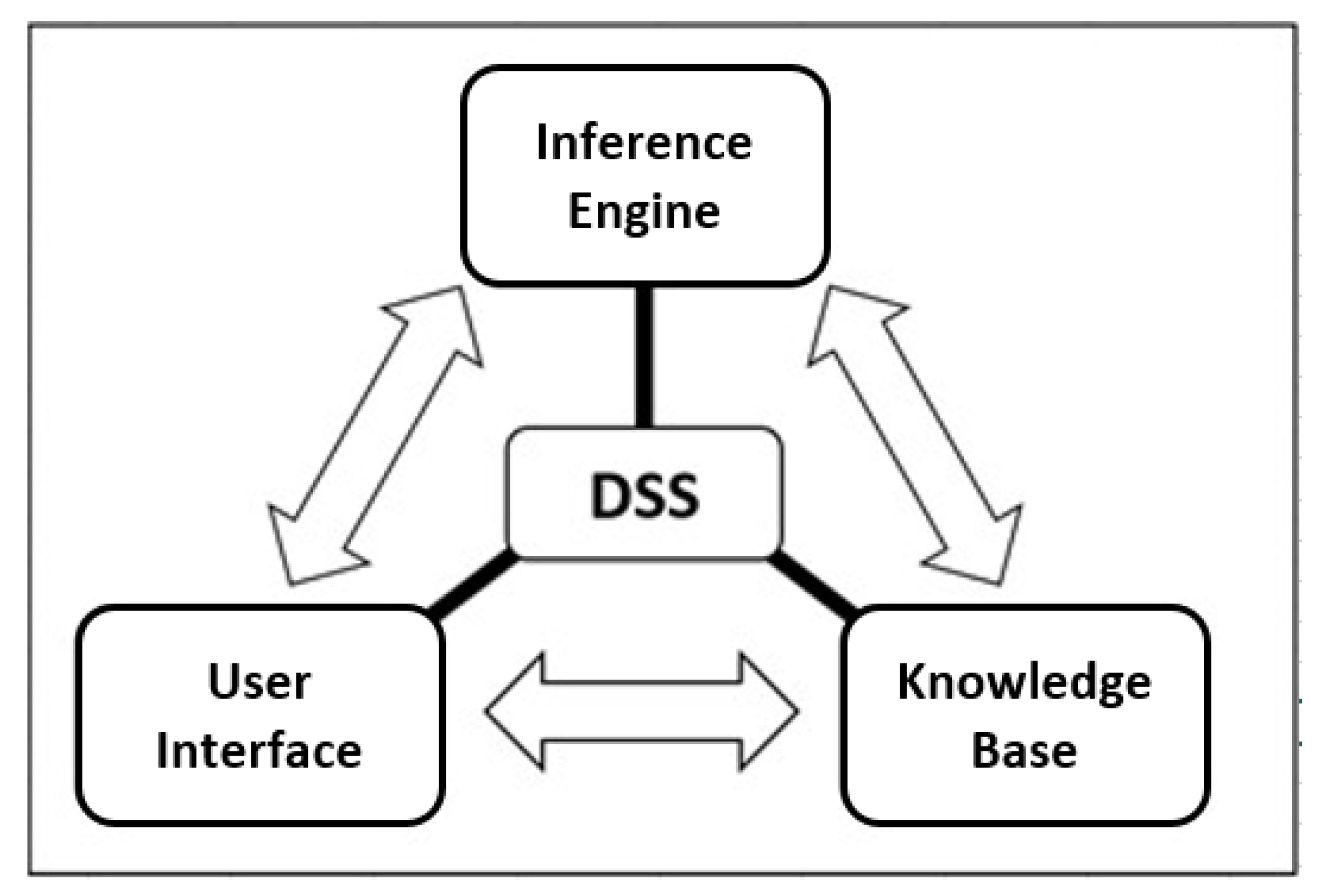
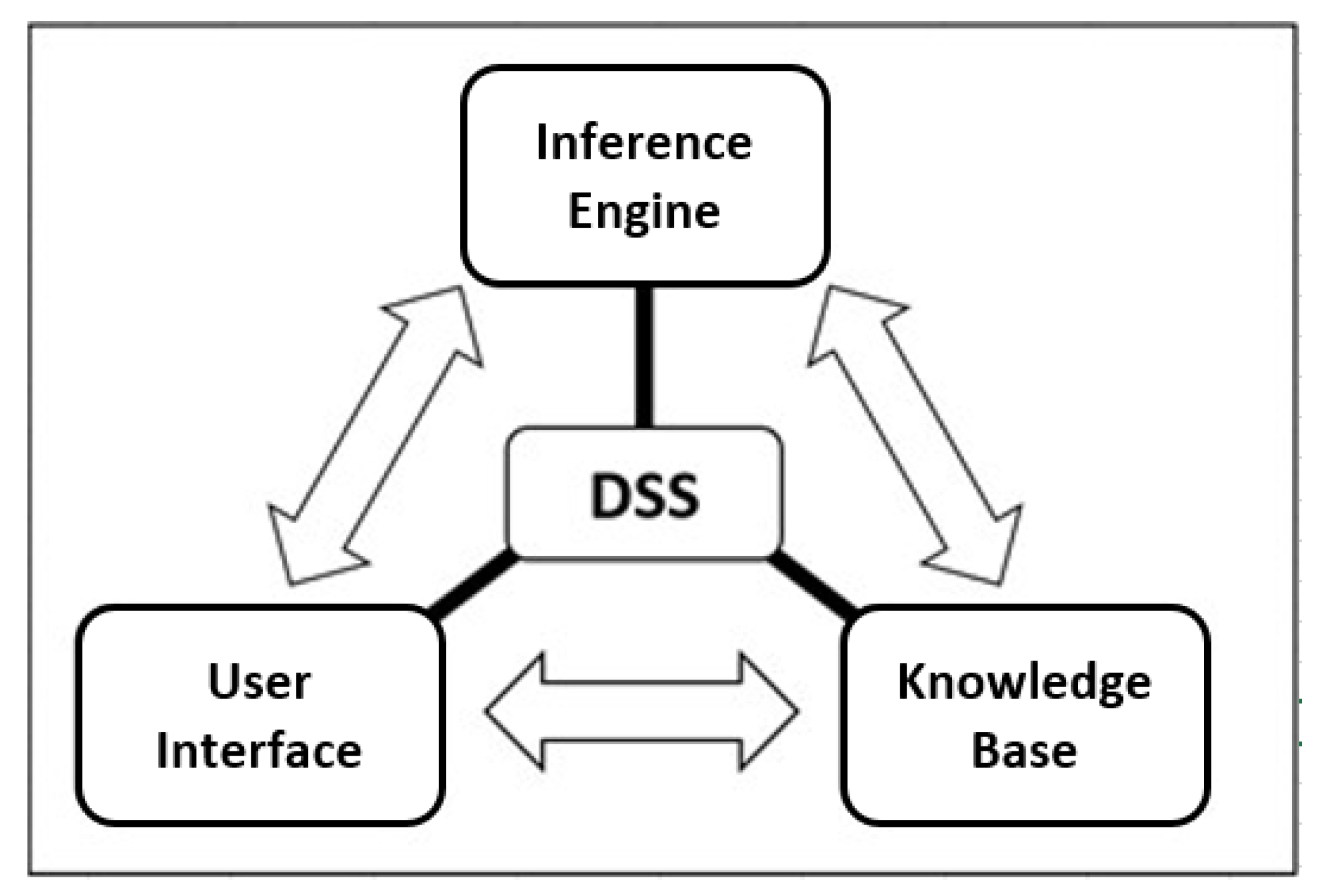
AI does not replace processes—it augments decision points within them.
3. The Cost of Using AI Where Automation Is Enough
A common mistake is applying AI to problems that do not require it.
This leads to:
- Higher development and infrastructure costs
- Hard-to-explain decisions
- Increased operational risk
- Maintenance complexity
If a deterministic rule solves the problem reliably, AI is unnecessary.
The smartest systems are often boringly automated, not intelligent.
4. The Cost of Using Automation Where AI Is Required
The opposite mistake is equally damaging.
When organizations force rigid rules onto problems that are inherently variable, they experience:
- High exception rates
- Manual overrides
- Process breakdowns
- Customer dissatisfaction
In these cases, automation becomes a bottleneck rather than an accelerator.
AI is justified when uncertainty is unavoidable.
5. A Simple Decision Framework
Before choosing AI or automation, answer three questions:
- Can the decision be expressed as stable rules?
- Does historical data exist to support learning?
- Is the cost of a wrong decision acceptable?
- If rules are clear → Automation
- If patterns matter → AI
- If both apply → Hybrid system
Most mature systems use automation for flow and AI for judgment.
6. Why This Matters in the Kenyan Context
Kenyan businesses operate under:
- Cost sensitivity
- Regulatory oversight
- Infrastructure constraints
- High consequences for failure
Choosing AI when automation is sufficient creates fragility.
Choosing automation when AI is required creates inefficiency.
Strategic clarity is not optional—it is a competitive advantage.
Final Thought
AI is not a status symbol.
Automation is not outdated.
The organizations that scale are those that choose the simplest tool capable of solving the real problem.
That decision—not the technology—determines success.